By Millie Rosenbloom
Chicago delivers four distinct seasons, and Lincoln Park homeowners get to experience all of them from one of the most desirable neighborhoods in the country. That range of weather, from crisp winters to warm, humid summers, means heating and cooling systems work hard year-round, and improving a home's energy efficiency is one of the smartest investments a homeowner can make. The good news is that some of the most effective upgrades cost very little and can be completed in a weekend. Whether you are managing a greystone, a vintage condo, or a newer single-family home, these five approaches will make a real difference without a major renovation budget.
Key Takeaways
- Discover five cheap ways to make a home more energy efficient that are practical for Lincoln Park's mix of older and newer housing stock.
- Learn which low-cost upgrades deliver the strongest return on energy savings across Chicago's four distinct seasons.
- Find out how energy efficiency improvements affect buyer perception and resale value in the Lincoln Park market.
- Understand which projects a homeowner can tackle independently and which ones benefit from a professional assessment first.
Seal Air Leaks Around Windows, Doors, and Penetrations
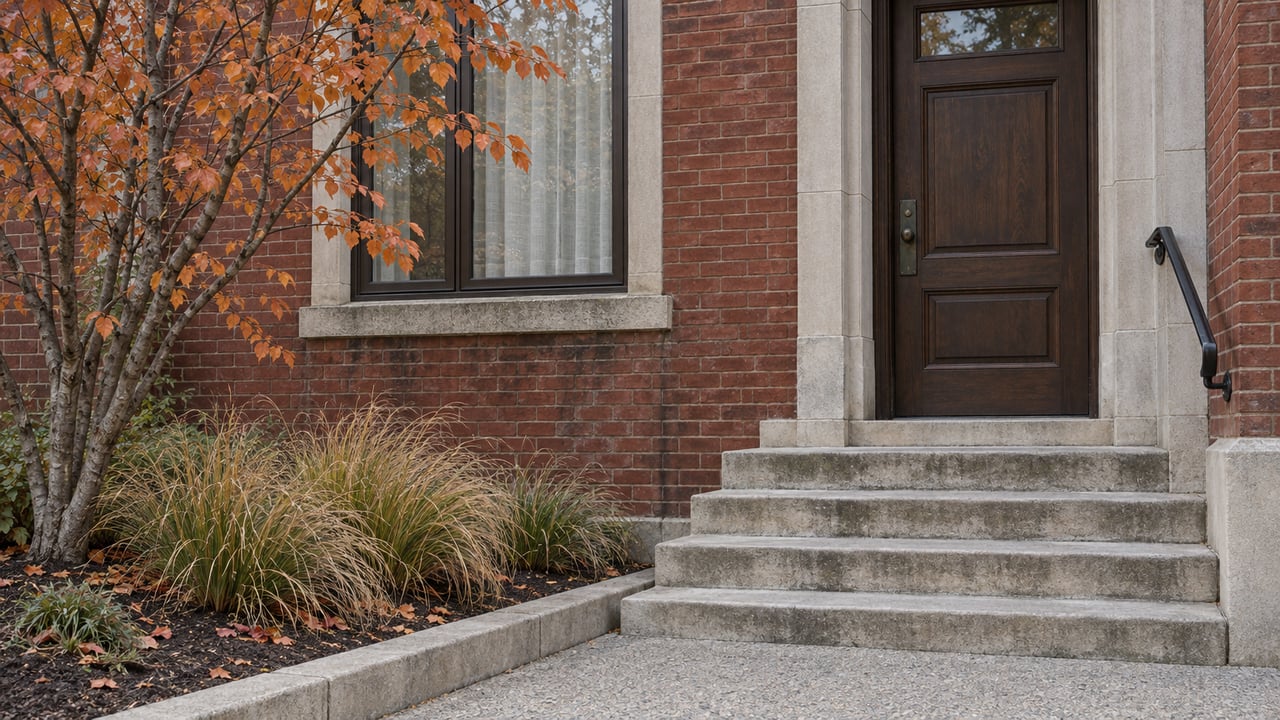
Air leakage accounts for a significant portion of heating and cooling loss in Chicago homes and is one of the cheapest problems to fix. Lincoln Park's older housing stock, including its beloved greystones and vintage condos, was built before modern insulation standards, and addressing gaps around windows, doors, and structural penetrations is a straightforward way to improve comfort and efficiency at the same time.
Why Air Sealing Delivers the Highest Return for the Lowest Cost
- Weatherstripping around exterior doors is inexpensive, easy to install, and immediately reduces air infiltration that makes a home feel drafty even when the heat is running well.
- Caulking around window frames seals the gaps that develop as older buildings settle over time. A tube of quality caulk costs a few dollars and can address multiple windows in a single afternoon.
- Door sweeps on exterior doors prevent air from entering along the floor, which matters in Lincoln Park's older buildings where door frames have shifted over decades of character-rich use.
- Foam gaskets behind electrical outlet covers on exterior walls block a surprising amount of air infiltration that most homeowners never think to address.
Air sealing costs almost nothing and the savings accumulate every month the heating or cooling system runs, making it the highest-return improvement on this list.
Upgrade to a Programmable or Smart Thermostat
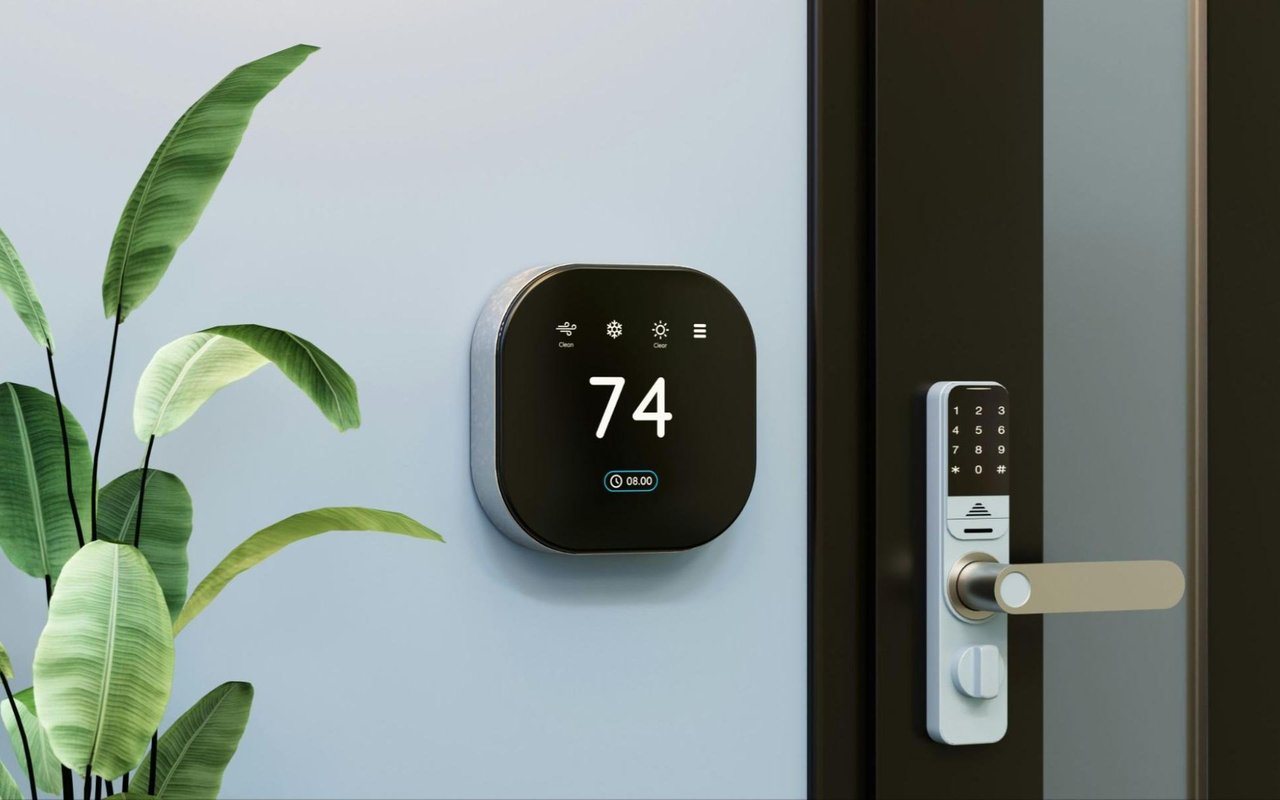
Heating and cooling an unoccupied home to full comfort temperature is one of the most common and easily corrected sources of energy waste. A programmable thermostat gives homeowners precise control over when the system runs, translating directly into lower bills without any sacrifice in comfort during occupied hours.
How a Thermostat Upgrade Reduces Energy Costs in a Chicago Home
- A basic programmable thermostat costs between 25 and 50 dollars and allows residents to set different schedules for weekdays, weekends, and overnight hours, eliminating energy used during unoccupied periods.
- Smart thermostats learn occupancy patterns and can be adjusted remotely. They are increasingly expected by buyers evaluating homes in Lincoln Park's competitive resale market.
- Setting the thermostat back seven to ten degrees during overnight and work hours reduces annual costs meaningfully, and a programmable thermostat makes that automatic rather than dependent on memory.
- Condo owners in buildings with older HVAC systems should verify thermostat compatibility before purchasing, since some vintage systems require specific thermostat types.
A thermostat upgrade pays for itself within a single season and continues generating savings every year after.
Switch to LED Lighting Throughout the Home
Lighting accounts for a meaningful share of a home's electricity consumption, and the efficiency gap between incandescent and LED bulbs is substantial. Switching to LED throughout a Lincoln Park home is one of the cheapest and most immediate energy improvements available.
What Switching to LED Lighting Delivers in Savings
- LED bulbs use roughly 75 percent less energy than incandescent bulbs and last significantly longer, producing savings from both reduced electricity use and fewer replacements over time.
- The upfront cost has dropped considerably and most fixtures can be converted for a few dollars per bulb, making a whole-home switch achievable for well under 100 dollars.
- LED bulbs produce significantly less heat than incandescent bulbs, which reduces the load on air conditioning during Chicago's warm summer months.
- Smart LED bulbs that can be dimmed or scheduled through a phone app add programmable control alongside the efficiency benefit.
LED conversion is one of the easiest upgrades on this list and one of the few where the full cost is typically recovered in energy savings within the first year.
Insulate Hot Water Pipes and the Water Heater
Water heating is one of the larger ongoing energy expenses in a home, and most heat loss occurs in the pipes and tank rather than at the point of use. Insulating both is inexpensive and can be completed in an afternoon.
How Pipe and Water Heater Insulation Reduces Energy Waste
- Foam pipe insulation sleeves are available at any hardware store and can be installed on accessible hot water pipes quickly, reducing heat loss as water travels from the heater to the faucet.
- A water heater blanket on an older tank reduces standby heat loss, the energy spent maintaining stored water at temperature when no hot water is actively being used.
- Setting the water heater to 120 degrees Fahrenheit rather than the factory default of 140 degrees reduces energy consumption without any noticeable impact on performance.
- Condo owners with shared building systems should consult with the building manager before making changes, as building-wide systems have different maintenance protocols than individual unit systems.
These changes require minimal investment and produce consistent savings on every utility bill, adding up meaningfully across a full year of Chicago seasons.
Frequently Asked Questions
Do energy efficiency improvements affect resale value in Lincoln Park?
They do. Buyers in Lincoln Park are evaluating operating costs alongside purchase price, and documented efficiency upgrades make a home easier to justify at its asking price. Smart thermostats and LED lighting are features buyers notice and expect in this market.
Are there rebates available for energy efficiency upgrades in Chicago?
Yes. ComEd and Peoples Gas both offer rebates for qualifying upgrades including smart thermostats, LED lighting, and insulation. Checking current program offerings before purchasing is worth the few minutes it takes and can offset a portion of the cost.
Which upgrade matters most for an older Lincoln Park greystone or vintage building?
Air sealing is consistently the highest priority for older Chicago buildings because age and settlement create more infiltration points than newer construction. Addressing it first makes every other efficiency improvement more effective.
Contact Millie Rosenbloom Today
Lincoln Park is one of Chicago's most enduring and sought-after neighborhoods, and the homes here represent a meaningful long-term investment worth optimizing at every level. I work with buyers and sellers throughout Lincoln Park and bring a detailed understanding of what makes these properties perform well over time, including the practical improvements that keep operating costs manageable and buyer appeal strong.
When you are ready to buy or sell in Lincoln Park, contact me, Millie Rosenbloom, and I will bring that same level of attention to your real estate goals.