By Millie Rosenbloom
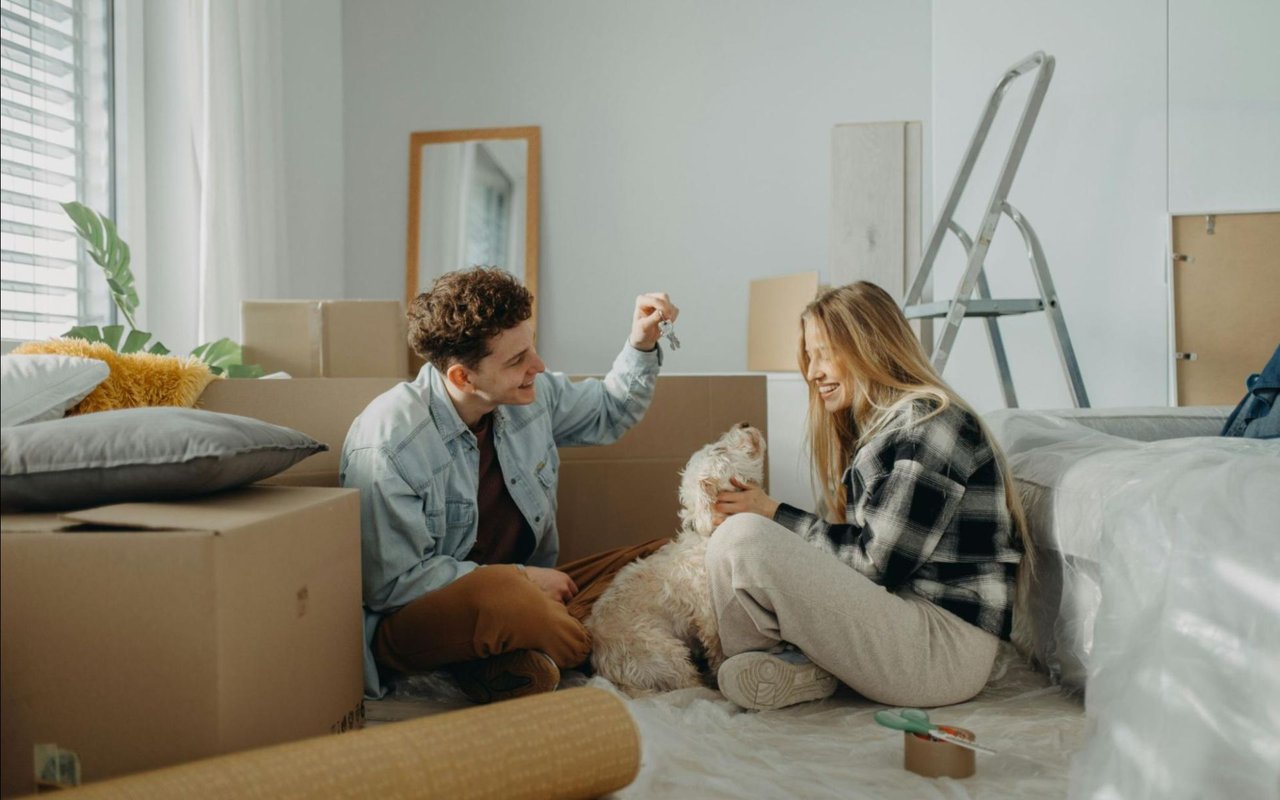
Moving to a new home is one of the more disorienting experiences a household can go through, and pets feel that disruption more acutely than most people anticipate. Dogs and cats in particular are highly attuned to changes in their environment, and the combination of packed boxes, unfamiliar smells, and a new home can produce stress behaviors that make an already demanding process harder for everyone.
Lincoln Park is one of the most pet-friendly neighborhoods in Chicago, with Oz Park, the lakefront path, and a dense network of walkable streets that make it a genuinely excellent place to land with a dog or cat. These five tips will help the transition go smoothly for every member of the household.
Key Takeaways
- Learn five practical strategies for moving with pets that reduce stress for both animals and their owners during a residential move.
- Discover how to prepare your pet before, during, and after moving day so the transition to a new home goes as smoothly as possible.
- Find out what Lincoln Park offers pet owners and how to help your dog or cat settle into the neighborhood quickly.
- Understand which steps are most important for keeping pets safe and calm on moving day itself.
Prepare Your Pet Before Moving Day
The most effective way to reduce pet stress during a move is to begin the adjustment process well before moving day arrives. Introducing changes gradually gives dogs and cats time to process each shift in their environment without being overwhelmed by all of them at once.
How to Help Your Pet Adjust Before the Move
- Introducing moving boxes and packing supplies into the home several weeks in advance allows pets to investigate the new items at their own pace rather than encountering a suddenly transformed environment on moving day.
- Maintaining feeding schedules, walk times, and play routines as consistently as possible during the packing period gives pets a sense of predictability that reduces anxiety even as the physical environment around them changes.
- Visiting the new home with your dog before moving day, if logistics allow, helps them begin building familiarity with the space and the surrounding neighborhood before they are expected to live there full time.
- Consulting a veterinarian about anxiety management options is worth doing in advance for pets with a known history of stress during travel or change. There are both behavioral and medical approaches that work well when planned ahead of time.
Preparation spread across several weeks is far more effective than any single intervention on moving day itself. The goal is a gradual acclimation rather than an abrupt transition.
Keep Pets Safe and Calm on Moving Day
Moving day presents specific risks for pets regardless of how well the preparation has gone. Open doors, unfamiliar movers, and the general chaos of a household being dismantled create conditions where even calm animals can become frightened and unpredictable.
What to Do on Moving Day to Keep Your Pet Safe
- Confining pets to a single quiet room with their bed, food, water, and a familiar toy keeps them out of the path of movers and away from the open doors that represent the most significant escape risk during a move.
- Placing a clear note on the door of the confinement room alerting movers not to open it is a simple precaution that prevents the most common moving day pet incident from happening.
- For dogs that do not handle confinement well, arranging for a trusted friend, family member, or professional pet sitter to take them off-site for the day removes the stress entirely and keeps them safe without requiring any management during the move itself.
- Making sure all pets are wearing current ID tags with updated contact information before moving day is an important step that is easy to overlook during the preparation process.
Moving day is the highest-risk period of the entire process for pets. The more of the day they can spend in a calm, controlled environment, the better the outcome for everyone.
Help Your Pet Settle Into the New Home
Arriving at a new home can be stressful for pets even when the move itself has gone well. The smells, sounds, and spatial layout of a new environment take time to process, and supporting that adjustment with deliberate steps makes a meaningful difference in how quickly a pet feels at home.
How to Help Your Pet Adjust to the New Space
- Setting up a pet's core items, including their bed, food and water bowls, crate or carrier, and familiar toys, before allowing them to explore the new home gives them immediate anchors of familiarity in an unfamiliar space.
- Allowing dogs and cats to explore the new home gradually rather than releasing them into the full space at once reduces overwhelm. Starting with one or two rooms and expanding access over the first few days works well for most animals.
- Reestablishing normal routines, including feeding times, walk schedules, and play sessions, as quickly as possible after the move gives pets the behavioral anchors they rely on to feel secure in a new environment.
- For dogs moving to Lincoln Park, beginning regular walks through the neighborhood early helps them build familiarity with the local smells, sounds, and routes that will become part of their daily routine. Oz Park and the lakefront path are excellent starting points for that process.
Most pets settle into a new home within a few weeks when the transition is handled thoughtfully. Patience and consistency during this period make a significant difference in how quickly that adjustment happens.
Frequently Asked Questions
How long does it typically take for a dog or cat to adjust to a new home?
Most cats take between two and four weeks to feel fully comfortable in a new environment, while dogs often adjust somewhat faster depending on temperament. Maintaining consistent routines and giving the animal time to explore at their own pace are the most reliable ways to support a smooth adjustment.
Is Lincoln Park a good neighborhood for dogs?
It is one of the best in Chicago. Oz Park on Webster Avenue offers dedicated off-leash areas, and the lakefront path provides miles of walking routes accessible from the neighborhood. Lincoln Park also has a high concentration of pet-friendly restaurants, shops, and services that make daily life with a dog genuinely convenient.
Should I update my pet's microchip information before or after moving?
Before. Updating microchip contact information and ID tags prior to moving day ensures that if a pet escapes during the chaos of the move, there is accurate information on file to facilitate a reunion. Waiting until after the move to update this information leaves a gap during the highest-risk period.
Contact Millie Rosenbloom Today
Lincoln Park is one of Chicago's great neighborhoods for pet owners, and finding the right home in Lincoln Park means thinking about what works for every member of the household. I help buyers evaluate properties with their full lives in mind, including the parks, walking routes, and building policies that matter when you share your home with animals.
When you are ready to find your next home in Lincoln Park, contact Millie Rosenbloom and I will make sure the search accounts for everything that matters to you.