By Millie Rosenbloom
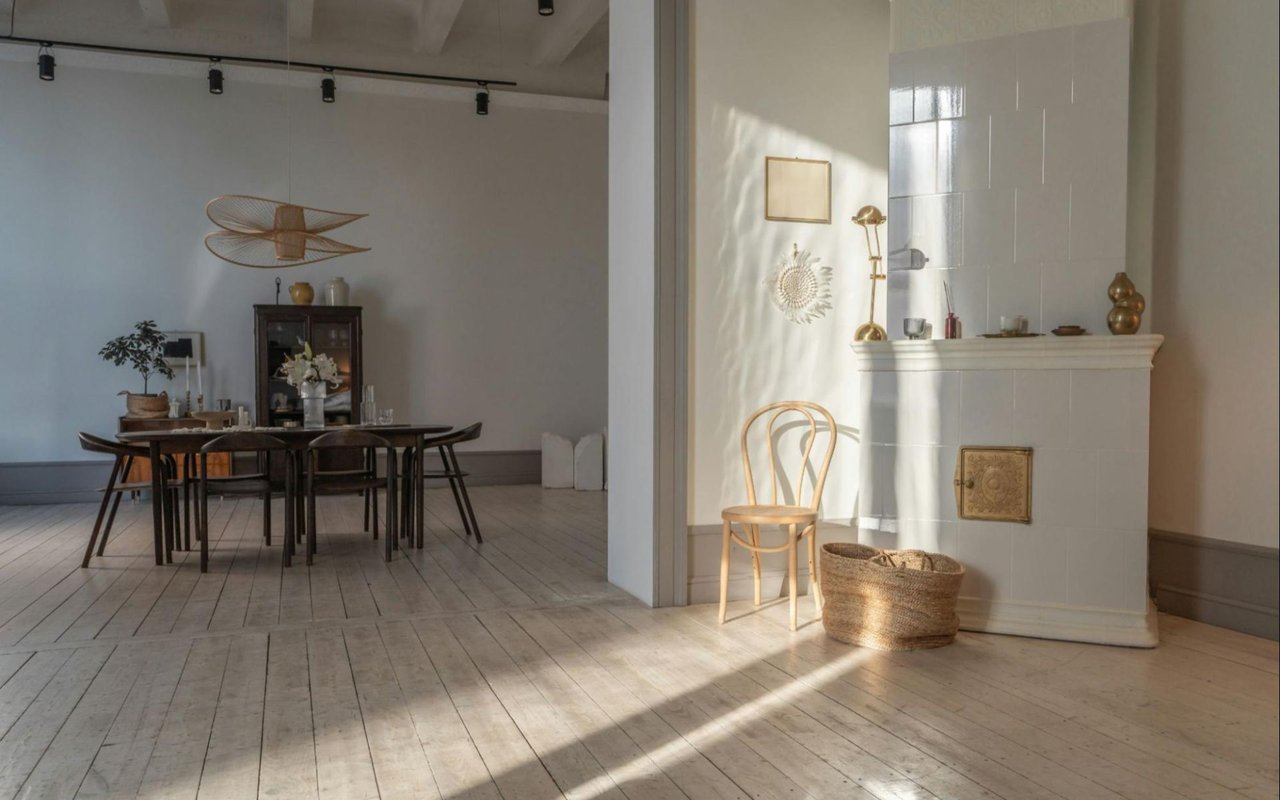
When I walk through a Lincoln Park greystone or a Gold Coast high-rise with buyers, the conversation shifts the moment we step into a room with good light. People slow down. They stand at the windows. The space feels larger, more alive, and more worth what's on the price tag. The benefits of natural light in a home are real and well-documented — and in a market where buyers are paying a premium for every square foot, how a home is lit matters far more than most sellers realize.
Key Takeaways
- Homes with strong natural light sell faster and at higher prices than comparable properties with poor lighting conditions
- Natural light improves circadian rhythm, mood, vitamin D production, and overall health for residents
- Strategic upgrades — skylights, larger windows, lighter finishes — can meaningfully increase both livability and resale value
- In Chicago's dense urban housing stock, maximizing light is a meaningful competitive advantage for sellers
Why Sunlight Sells Homes
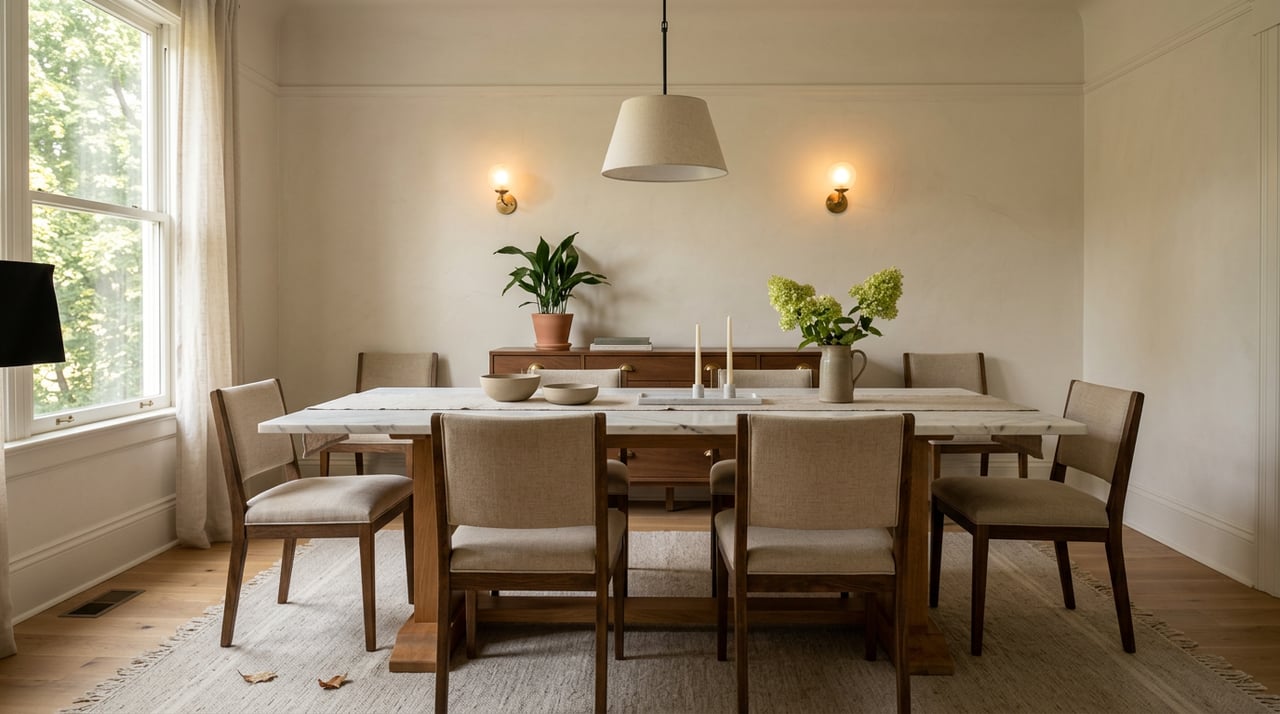
There's a reason professional photographers schedule listing shoots for midday and pull back every curtain in the house. Natural light is one of the most powerful — and most underrated — selling tools a property has. Bright, sunlit rooms appear larger and more inviting, they photograph beautifully, and they create an immediate emotional response that no staging can fully replicate.
What the data says about light and home value:
- Properties with poor natural lighting can rent or sell for up to 20% less per square foot than comparable homes with sufficient daylight
- Buyers who have purchased homes before consistently report a willingness to pay a premium — in some surveys, up to $5,000 more — for properties designed with natural light in mind
- In Lincoln Park's competitive market, where homes are selling at or above asking, a sunlit space can be the deciding factor in a multiple-offer situation
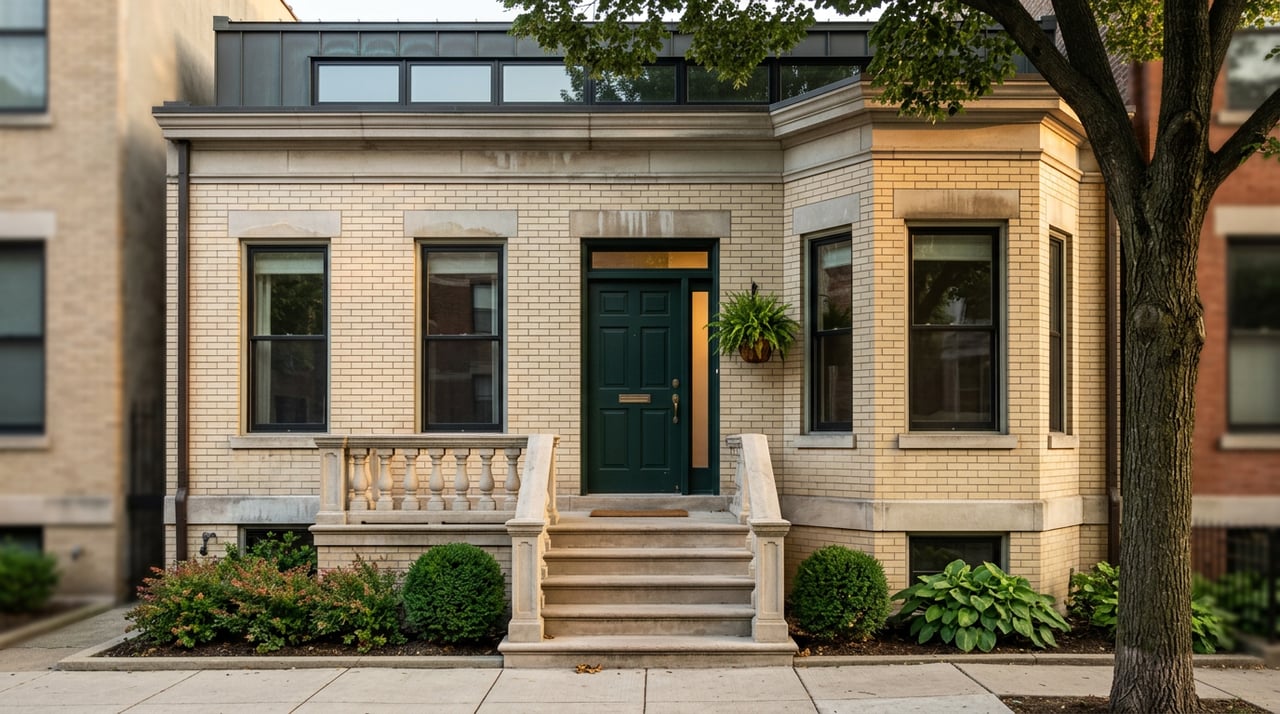
In Chicago's vintage housing stock — brownstones, greystones, and walk-up condos — natural light is unevenly distributed. North-facing units and lower-floor condos in dense buildings often suffer from poor daylight. When a property overcomes that limitation through good architecture, larger windows, or thoughtful renovation, buyers notice and respond.
The Health Case for Natural Light
The value of a sun-filled home goes well beyond aesthetics. Natural light regulates the body's circadian rhythm — the internal clock that governs when you feel alert and when you feel ready to sleep. Homes with large windows and east- or south-facing exposures support that rhythm naturally, which translates to better sleep, more energy during the day, and a measurable lift in mood.
Health benefits backed by research:
- Circadian rhythm regulation — exposure to natural daylight during waking hours helps the body maintain healthy sleep-wake cycles, reducing dependence on artificial sleep aids
- Vitamin D production — sunlight is a primary source of Vitamin D, which supports immune function, bone health, and mood; in Chicago's overcast winters, maximizing indoor daylight matters more than in sunnier climates
- Serotonin boost — sunlight triggers serotonin release in the brain, supporting stable mood and reduced anxiety; this is particularly relevant during Chicago's long gray winters
- Reduced seasonal affective disorder (SAD) — homes with abundant natural light provide meaningful relief from the seasonal mood dips that affect a significant share of Chicagoans between November and March
These aren't abstract benefits. They're the lived experience of a home, and they factor into how buyers emotionally connect with a space during a showing.
How Natural Light Reduces Energy Costs
A well-lit home is also a more efficient one. Relying on natural light during daylight hours reduces electrical consumption significantly — lighting accounts for roughly 11% of a home's total energy use, according to the U.S. Energy Information Administration. In Lincoln Park's older housing stock, where vintage buildings often carry higher utility costs, any reduction in operating expenses strengthens a property's financial case for buyers.
Energy-saving benefits of a naturally lit home:
- Reduced artificial lighting costs — a home that captures daylight well can keep electric lights off for most of the day
- Passive solar heating — south-facing windows capture winter sun, reducing heating loads during Chicago's cold months
- Reduced cooling costs — energy-efficient glazing on windows captures light without excessive heat gain, keeping summer cooling costs manageable
- Appealing to eco-conscious buyers — in Chicago's upper-tier market, buyers increasingly factor operating costs and environmental footprint into purchase decisions
How to Increase Natural Light Before You Sell
If your home doesn't currently maximize its light potential, targeted upgrades can make a meaningful difference without a full renovation. The right interventions depend on your home's specific layout and orientation, but several options work across Chicago's varied housing stock.
Practical ways to bring more light into a Chicago home:
- Replace or enlarge windows — in brownstones and single-family homes, upsizing windows on south- or east-facing walls is one of the highest-impact light improvements available
- Install skylights or solar tubes — particularly effective in interior rooms, kitchens, and stairwells that lack direct exterior wall access
- Switch to light-filtering window treatments — removing heavy drapes and replacing them with sheer or roller shades keeps privacy intact while maximizing daylight
- Use light-reflective surfaces — white or off-white walls, high-gloss finishes, and strategically placed mirrors amplify natural light throughout a space
- Trim exterior landscaping — overgrown trees and shrubs along south or east-facing facades are a simple, low-cost fix that can dramatically brighten interior rooms
FAQs
Does natural light actually increase a home's resale value in Chicago?
Yes — consistently. Homes with strong natural light tend to sell faster and at higher prices than comparable properties without it. In Lincoln Park, where buyers are already paying a premium, a sun-filled interior can be a decisive differentiator in a competitive situation.
Which rooms benefit most from improved natural light?
The kitchen and primary bedroom consistently get the most attention from buyers. A bright kitchen feels larger and more functional; a well-lit primary suite elevates the overall luxury perception of the home. After those two, living rooms and home offices with strong daylight score highly with buyers who work remotely.
Is it worth investing in new windows before selling?
In most cases, yes — especially in Chicago's older housing stock. Energy-efficient windows deliver on multiple buyer priorities at once: more natural light, lower utility costs, reduced noise from the street, and an updated appearance. The 2025 Cost vs. Value Report indicates that window replacements recoup a solid share of their cost at resale, and in a market where buyers scrutinize operating expenses, the energy savings are a compelling selling point.
Sell Your Chicago Home With Millie Rosenbloom
Understanding what buyers respond to — and how to position your home's best features before it hits the market — is where real expertise shows up. The benefits of natural light in a home are real, and knowing how to showcase them is part of how I help my clients sell faster and for more. With more than $1.3 billion in sales across Lincoln Park, Gold Coast, and Chicago's North Side, I know exactly what moves buyers in this market.
Reach out to me to learn more about how I prepare and position Chicago homes for sale. I'd love to walk through your property and show you what's working in your favor.
Reach out to me to learn more about how I prepare and position Chicago homes for sale. I'd love to walk through your property and show you what's working in your favor.