Lincoln Park, one of Chicago’s most recognizable neighborhoods, blends historic architecture, green spaces, and cultural institutions that reveal a story much older than its contemporary reputation suggests. Beneath its polished streets and popular attractions, the area holds unexpected details about its origins, design, and enduring influence on Chicago’s urban identity.
These facts about Lincoln Park highlight the neighborhood’s depth beyond its name recognition, showing why it continues to stand apart as one of the city’s most distinctive communities.
Lincoln Park Was Once a Cemetery
Before it became Chicago’s largest park, much of what is now Lincoln Park was once a city cemetery. Established in 1843, the Chicago City Cemetery stretched across what is now the southern section of the park, housing thousands of graves from multiple religious and civic institutions. In the late 1850s, public health concerns and the city’s expansion northward led officials to begin relocating the cemetery and transforming the area into public land.
Despite extensive relocation efforts, historical research and excavation have revealed that not all graves were moved. Remnants of the old cemetery have occasionally surfaced during construction projects and landscaping. This transformation remains one of the most significant land-use changes in the city’s 19th-century history.
The Neighborhood Helped Launch the Chicago Park System
Lincoln Park played a pivotal role in shaping Chicago’s early park system. In 1865, the city established the Lincoln Park Commission to oversee the area’s development. This marked one of the first organized park authorities in the country, preceding the creation of other regional park systems that later unified under the Chicago Park District.
Architects and planners, including Swain Nelson and later Alfred Caldwell, contributed to Lincoln Park’s evolving layout, introducing landscaped lagoons, walking paths, and gardens. The park’s development influenced the design of later green spaces throughout the city. Its function as a public health and recreation project reflected a broader shift toward urban planning that valued open space within growing cities.
The Lincoln Park Zoo Is One of the Oldest in the Country
The Lincoln Park Zoo began in 1868 with a gift of two pairs of swans from New York’s Central Park. Over the following decades, the zoo expanded to become one of the oldest continuously operating zoos in the United States. Unlike most urban zoos of its time, it was always free to the public — a policy that continues today.
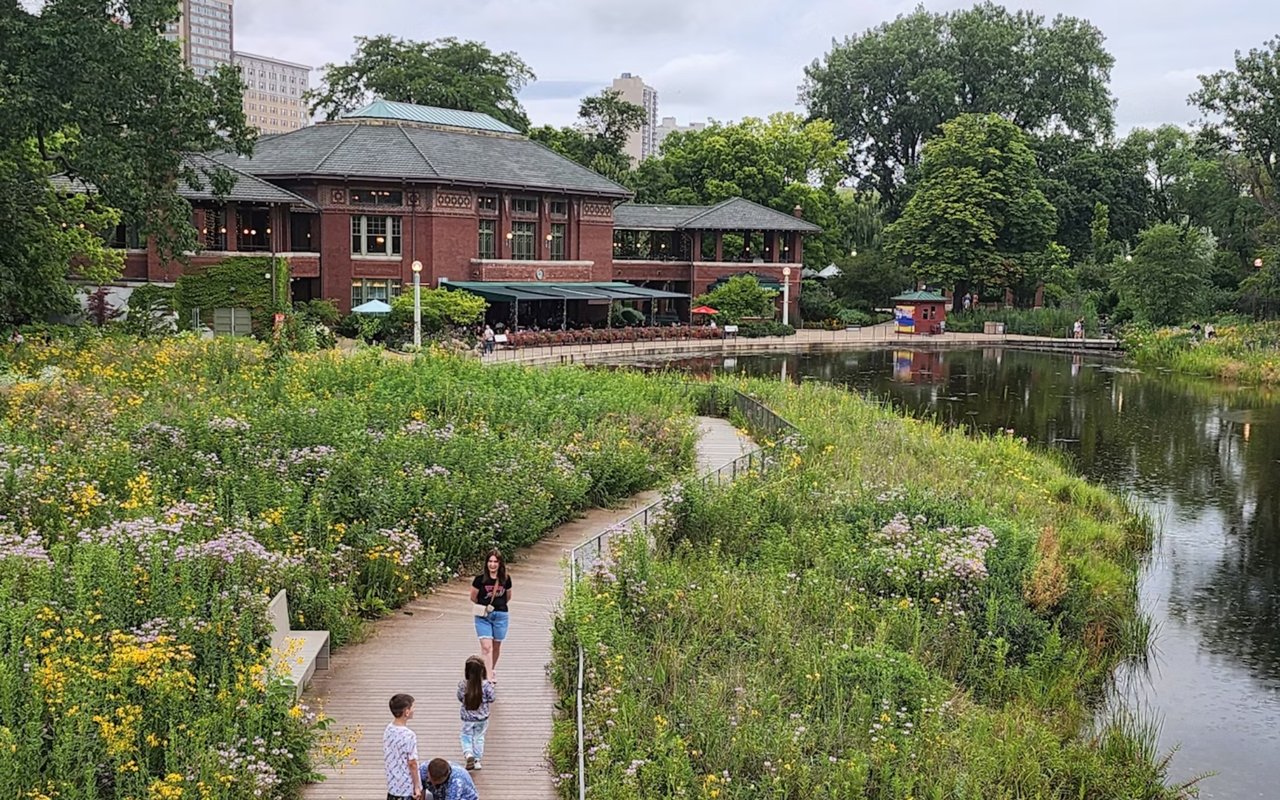
Its collection has grown to include hundreds of animals, ranging from African lions to North American bison. The zoo’s design emphasizes naturalistic enclosures and conservation research. Recent renovations, such as the Regenstein Center for African Apes and the Nature Boardwalk at South Pond, reflect its commitment to combining animal care with urban ecological education.
Lincoln Park Contains One of the Oldest Public Conservatories in the Midwest
Opened in 1890, the Lincoln Park Conservatory remains one of Chicago’s architectural treasures. Designed by Joseph Lyman Silsbee, the structure reflects the glasshouse style popular in Victorian-era botanic architecture. The conservatory contains four display houses (Palm, Fern, Orchid, and Show) that host tropical and subtropical species year-round.
Beyond its horticultural significance, the conservatory demonstrates how 19th-century designers integrated science and leisure into public spaces. Its proximity to the zoo and lagoon system allows it to function as both a botanical exhibit and a historic landmark.
The Neighborhood Has Deep Architectural Diversity
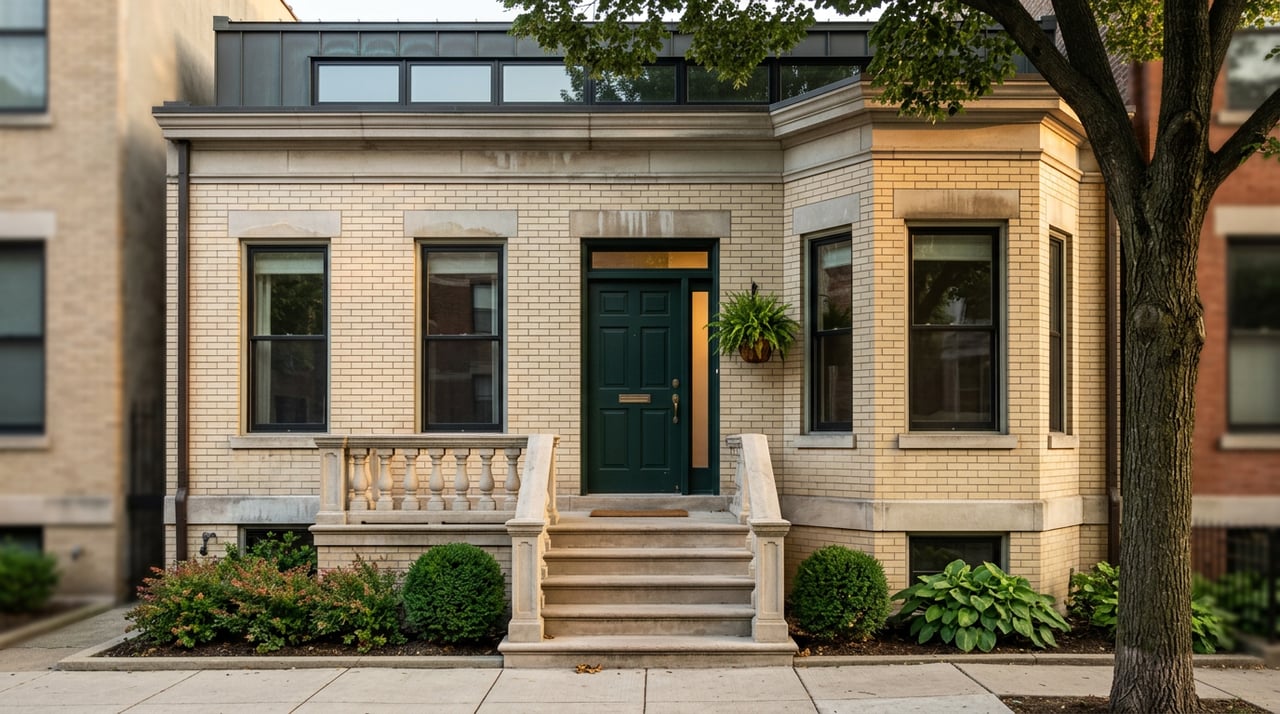
Architecture in Lincoln Park spans a broad timeline, ranging from 19th-century row houses to modern high-rises along the lakefront. The Great Chicago Fire of 1871 destroyed much of the area’s original wooden structures, leading to a wave of brick and stone construction that shaped its lasting character. Italianate, Romanesque, and Queen Anne styles still line its interior streets, especially west of Clark Street.
More recent decades have introduced contemporary designs that blend seamlessly with historic surroundings. Adaptive reuse projects, such as converting former industrial spaces into residences and galleries, illustrate how Lincoln Park has balanced preservation with modern growth. Its streetscape provides one of the most comprehensive visual records of Chicago’s architectural evolution.
Lincoln Park’s Theater Scene Has National Influence
The performing arts community in Lincoln Park has given rise to several influential institutions. The Steppenwolf Theatre Company, founded in the 1970s, began in a church basement and grew into one of the most respected ensemble theaters in the country. Its alumni have achieved national recognition across film, television, and stage.
Nearby, the Victory Gardens Theater and the Greenhouse Theater Center have also contributed to the area’s creative reputation. These venues showcase both established and emerging playwrights, reinforcing the neighborhood’s connection to Chicago’s broader theater movement.
Lincoln Park Once Hosted Chicago’s First Public Aquarium
Before the Shedd Aquarium opened downtown, Lincoln Park briefly housed Chicago’s first public aquarium. Established in 1923 within the park’s Reptile House, the small facility showcased local freshwater species and served as an educational exhibit. Its creation reflected growing public interest in environmental studies and conservation during the early 20th century.
Though the aquarium eventually closed to make way for the larger Shedd facility, its brief existence marked another example of Lincoln Park’s influence on the city’s scientific institutions. It demonstrated how the neighborhood continued to serve as an experimental space for civic and educational innovation long before the city’s major museums relocated to the lakefront.
The Lakefront Was Once Farther Inland
Few people realize that much of today’s Lincoln Park lakefront sits on reclaimed land. In the early 20th century, the city undertook major landfill projects to expand the shoreline eastward, creating additional park space and stabilizing the eroding coast. This process added hundreds of acres to Lincoln Park and reshaped Chicago’s northern waterfront.
Structures like North Avenue Beach and Diversey Harbor occupy areas that were once underwater. These projects redefined the city’s relationship to Lake Michigan and provided new recreational opportunities that continue to attract residents and visitors. Understanding this engineered landscape offers one of the most intriguing facts about Lincoln Park, revealing how human design has shaped what appears to be natural beauty.
Ready to Explore Lincoln Park Real Estate?
Lincoln Park’s enduring appeal lies in its mix of architectural charm, cultural sophistication, and vibrant urban living. For those considering making this exceptional Chicago neighborhood their home, partner with Millie Rosenbloom. With deep market insight, a proven record of success, and a personalized approach to every transaction, Millie helps clients navigate Lincoln Park’s competitive real estate landscape with confidence.
Reach out today to begin your search or discuss how to position your property strategically in one of Chicago’s most sought-after areas.