Wondering what you are really buying when a Logan Square listing mentions a boulevard address or a greystone façade? In this part of Chicago, those words are not just style cues. They point to a specific historic streetscape, a classic building type, and in some cases, extra review before exterior work begins. If you want to buy with more confidence, this primer will help you understand what matters and what questions to ask. Let’s dive in.
Logan Square boulevards at a glance
Logan Square stands out as one of Chicago’s clearest examples of the city’s park-and-boulevard design. According to the Chicago Park District, the system grew from the 19th-century park movement. The Chicago Architecture Center also identifies Logan Square as a key link in Chicago’s ribbon of green parks and boulevards.
The City of Chicago describes the Logan Square Boulevards District as centered on Logan and Palmer Squares, with landscaped boulevards extending outward. The buildings facing those boulevards help create the area’s distinctive identity. If you are buying here, that broader streetscape matters almost as much as the home itself.
Which streets are part of the core district?
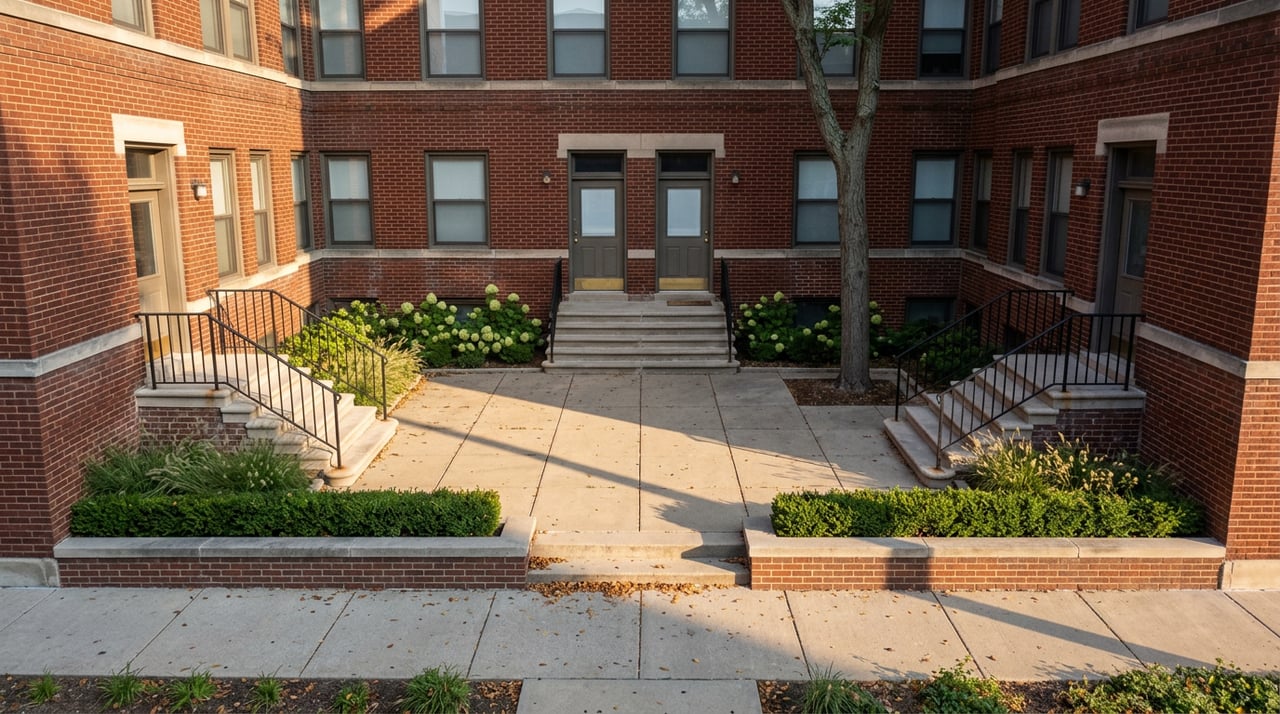
The City’s landmark record identifies the district’s core streets as Logan, Kedzie, Palmer, and Humboldt Boulevards north of Cortland. That is a useful starting point when you are comparing listings. A boulevard address can mean something specific in both setting and historic context.
Why buyers notice these streets
These boulevards are known for leafy medians, historic buildings, and long sightlines. The Illinois Centennial Monument at Kedzie and Logan is one of the area’s major visual anchors. Together, the landscaped public space and the architecture create one of Chicago’s most recognizable historic streetscapes.
Why Logan Boulevard gets attention
The Chicago Architecture Center says Logan Boulevard was designated a National Historic District in 1985. The City later landmarked it in 2005. CAC also notes that its 2.5-mile stretch remains one of the city’s most intact historic boulevards.
For you as a buyer, that translates into a strong sense of continuity. You are not just evaluating one property in isolation. You are also buying into a block pattern and visual character that has stayed remarkably consistent over time.
What a greystone really is
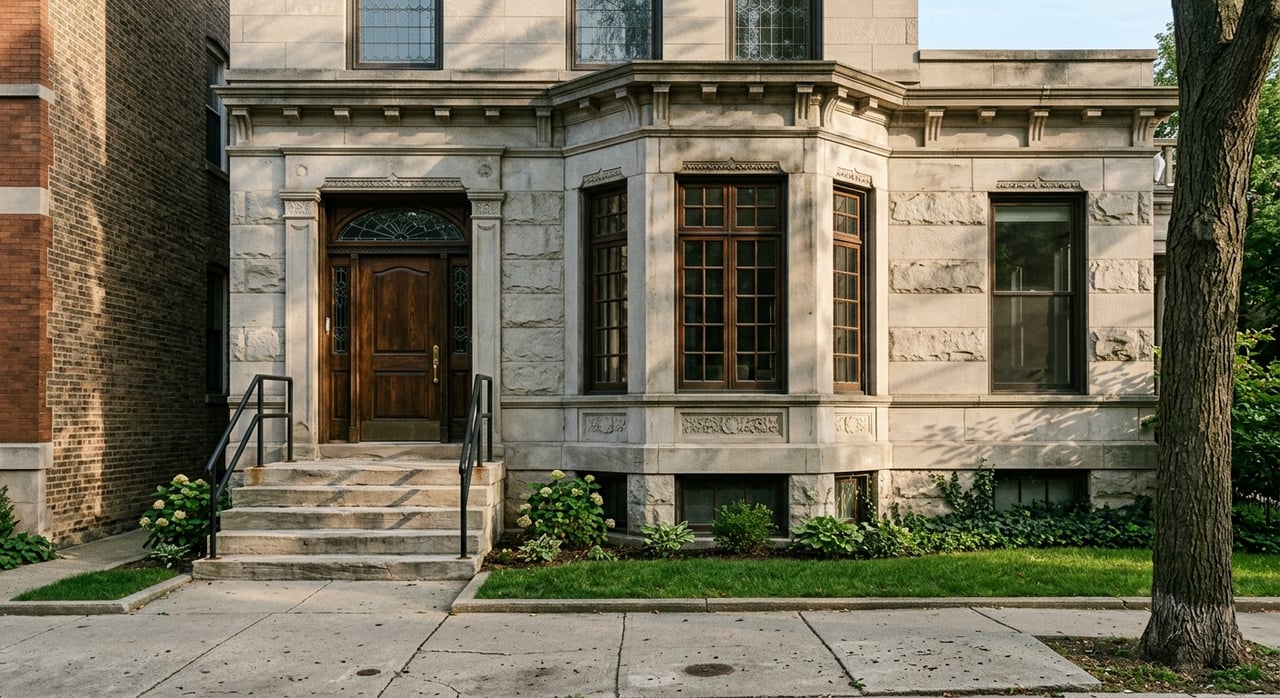
In Chicago, a greystone is defined mainly by its light-gray limestone front façade. That term does not refer only to single-family homes. It can also include two-flats, three-flats, and other multi-unit buildings.
That distinction matters because a listing may use “greystone” as a style label, while the actual building lives more like a classic flat building. The exterior may look stately and uniform from the street, but the layout and ownership structure can vary quite a bit from one property to the next.
Common greystone exterior features
Many Chicago greystones share a few recognizable design traits:
- A light-gray limestone façade facing the street
- A front stoop or entry porch set to one side
- A projecting bay of windows on the other side
- Decorative cornice details
- Brick on the sides and rear
In Logan Square, that front-stone pattern is part of the historic streetscape described in the City’s district record. When you walk the boulevards, you can see how those repeated forms help create a cohesive street wall.
Why greystones are so common here
Logan Square’s growth history helps explain why greystones are such a visible part of the neighborhood. A University of Chicago history summary says the area expanded quickly after the Great Fire and again after annexation in 1889. It also notes more housing along the main boulevards after the arrival of the L, followed by another housing boom after World War I.
That long growth period produced a mix of homes and small apartment buildings that still shape the neighborhood today. For buyers, it means Logan Square offers architecture tied closely to the city’s development history, not a look that was recreated later.
What interiors often feel like
A classic greystone interior usually does not live like a modern open-plan condo. Moss Architecture says these homes and flats often run front to back, with the kitchen at the rear and the first floor raised above grade over basement space. The Chicago Architecture Center also notes that older Chicago homes often followed a hall-and-parlor sequence.
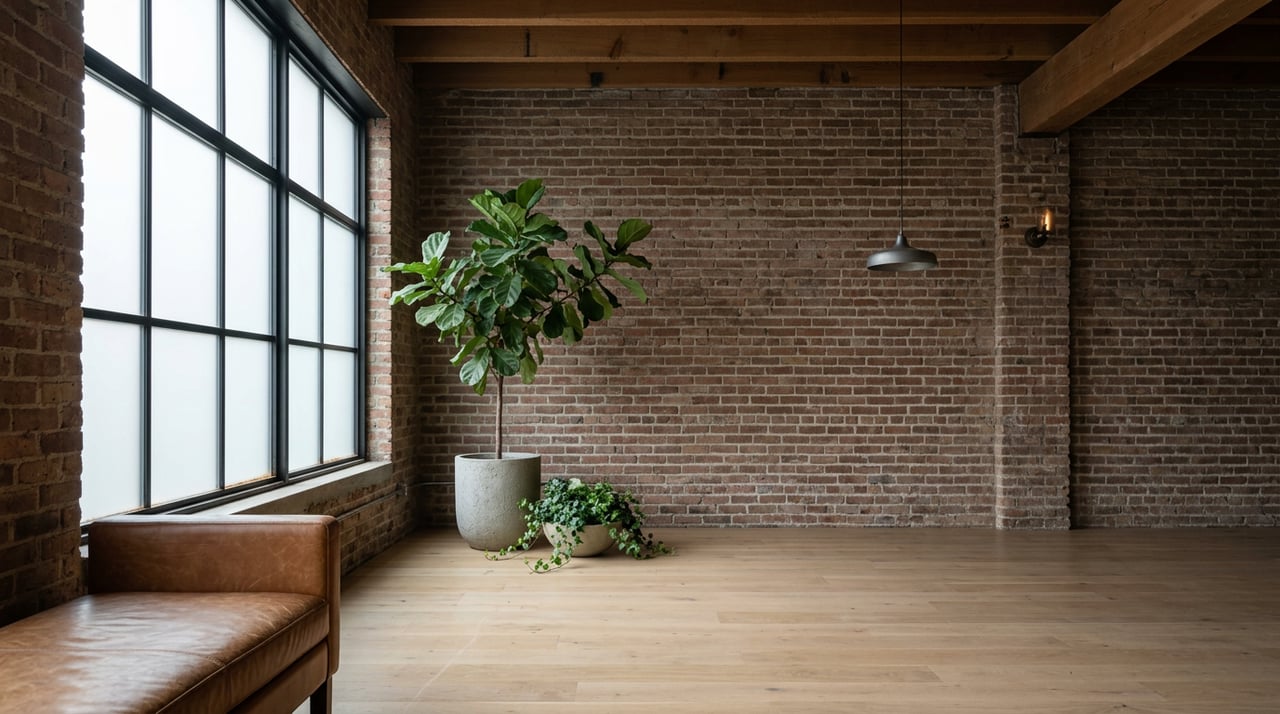
In practical terms, you may find more separated rooms and a stronger sense of direction from front to rear. A front room or parlor may take the place of the large open living area you see in newer construction. If you prefer defined spaces, that can be a plus. If you want one big central great room, you will want to look carefully at the floor plan.
What that means for daily living
Older layouts can support privacy and give each room a distinct purpose. Bay windows may bring extra light to the front rooms, while rear kitchens often sit away from the formal front spaces. The tradeoff is that circulation can feel more segmented than what many buyers expect in newer homes.
That is why showings matter. Photos may highlight the stone exterior, but your day-to-day experience will come down to how the rooms connect and whether the layout fits the way you live.
What landmark status can mean
If you are buying on or near a landmark boulevard, exterior work may involve preservation review. The City says that in landmark districts, the significant features are typically the exterior elevations visible from the public right-of-way. That means the parts of the building the public can see are often the main focus.
The same City guidance says routine painting and minor repairs do not require a building permit. Still, buyers should confirm the exact status of a parcel before planning any larger project. It is smart to treat exterior changes as a due diligence item early, not after closing.
Exterior projects that may need review
The City’s permit-review materials call for drawings and details for exterior changes such as:
- Windows
- Doors
- Railings
- Exterior materials
- Additions
- Porches
- Dormers
- Roof decks
- Demolition work
If your plans include changing the façade, modifying massing, or updating visible architectural features, check the property’s status before design work begins. That step can save time, money, and frustration.
How to evaluate a boulevard or greystone purchase
A smart Logan Square purchase starts with clarity. You want to separate what is historic character from what is a future cost, design limitation, or approval issue. The goal is not to avoid these homes. It is to understand them on their own terms.
Here are a few practical questions to ask as you narrow your search:
- Is the property on one of the core boulevard streets identified by the City?
- Is the building a single-family home, two-flat, three-flat, or another multi-unit type?
- Which exterior elements are visible from the public right-of-way?
- Has any exterior work already been completed, and if so, what was changed?
- Does the interior layout fit the way you actually live?
- Are you hoping to preserve the current look, renovate heavily, or do a mix of both?
Those answers can shape everything from your renovation plans to your offer strategy. In a historic housing stock, details matter.
Why this matters for buyers
The appeal of Logan Square’s boulevards and greystones is not just visual. The setting combines landscaped public space, historic architecture, and a street pattern that feels intentional and memorable. The City specifically points to the distinctive sense of place created by the boulevards and the buildings that face them.
That is why buyers tend to respond strongly to these homes. You are not simply buying square footage. You are buying into a block, a façade tradition, and a way the neighborhood presents itself from the street.
When you evaluate that purchase carefully, you put yourself in a stronger position. You can appreciate the architecture, understand the likely layout, and ask the right questions about exterior changes before you commit.
If you want experienced guidance as you weigh Chicago’s historic housing stock and neighborhood nuances, connect with Millie Rosenbloom for clear, strategic advice.
FAQs
What streets are part of the Logan Square Boulevards District core?
- The City identifies Logan, Kedzie, Palmer, and Humboldt Boulevards north of Cortland as the core streets.
Are Logan Square greystones only single-family homes?
- No. In Chicago, greystones can include single-family homes, two-flats, three-flats, and other multi-unit buildings with a light-gray limestone façade.
What makes a Chicago greystone a greystone?
- The defining feature is the light-gray limestone front façade, often paired with a side entry stoop, projecting bay windows, and decorative cornice details.
Do Logan Square greystones usually have open floor plans?
- Not usually. Traditional greystone interiors often run front to back with more separated rooms and a kitchen toward the rear.
Does landmark status in Logan Square usually focus on interiors or exteriors?
- The City says landmark significance is typically tied to exterior elevations visible from the public right-of-way.
What exterior changes may need review in a Logan Square landmark district?
- The City’s review materials mention items such as windows, doors, railings, exterior materials, additions, porches, dormers, roof decks, and demolition work.