For years the walk from the Drake corner down Oak Street to State was a retail errand. You went for Chanel or Hermès or a fitting at Loro Piana, then peeled off to Tavern on Rush or Hugo's Frog Bar for dinner because Oak Street itself closed at six. The summer of 2026 quietly ended that pattern. Two openings on a single intersection — one on a rooftop, one in a former bank — have turned the block into something you stay on after the shops lock up.
If you already live between Division and Walton, you've watched the scaffolding come down on 15 E. Oak and noticed the two-level glass box at the corner of Rush. Here is what is actually inside them, and why the geometry of a Gold Coast Saturday has shifted about forty feet upward and one block west.
The Two New Anchors, In Specifics
Both openings landed inside a six-month window, and both sit inside the tightest luxury retail corridor in the Midwest. Gross rents on Oak Street run $300 to $400 per square foot with a vacancy rate below 5%, which is another way of saying nothing opens here by accident.
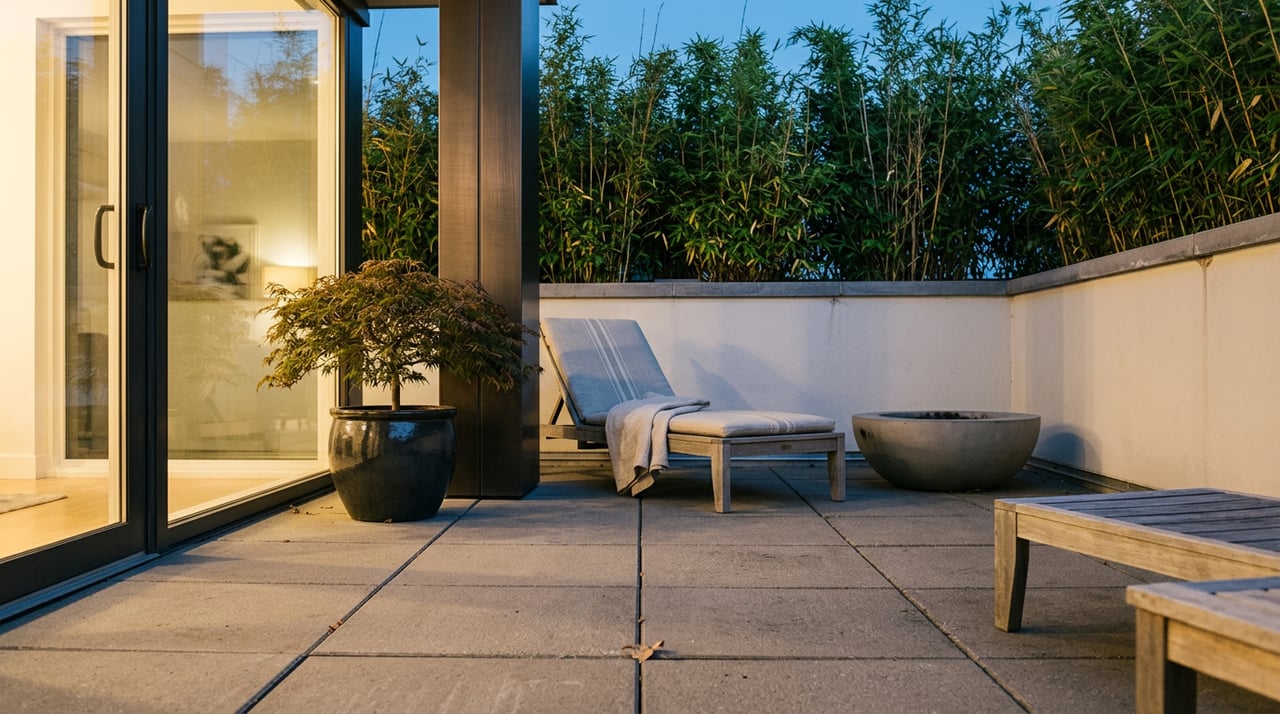
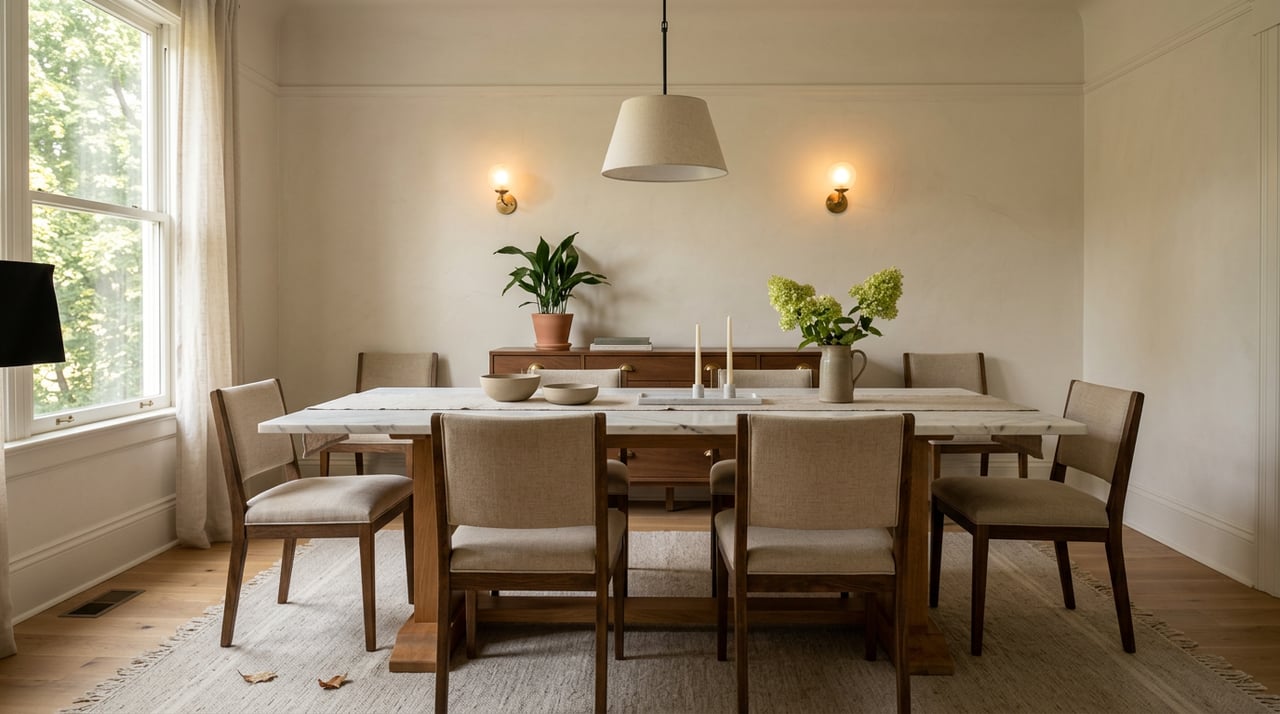
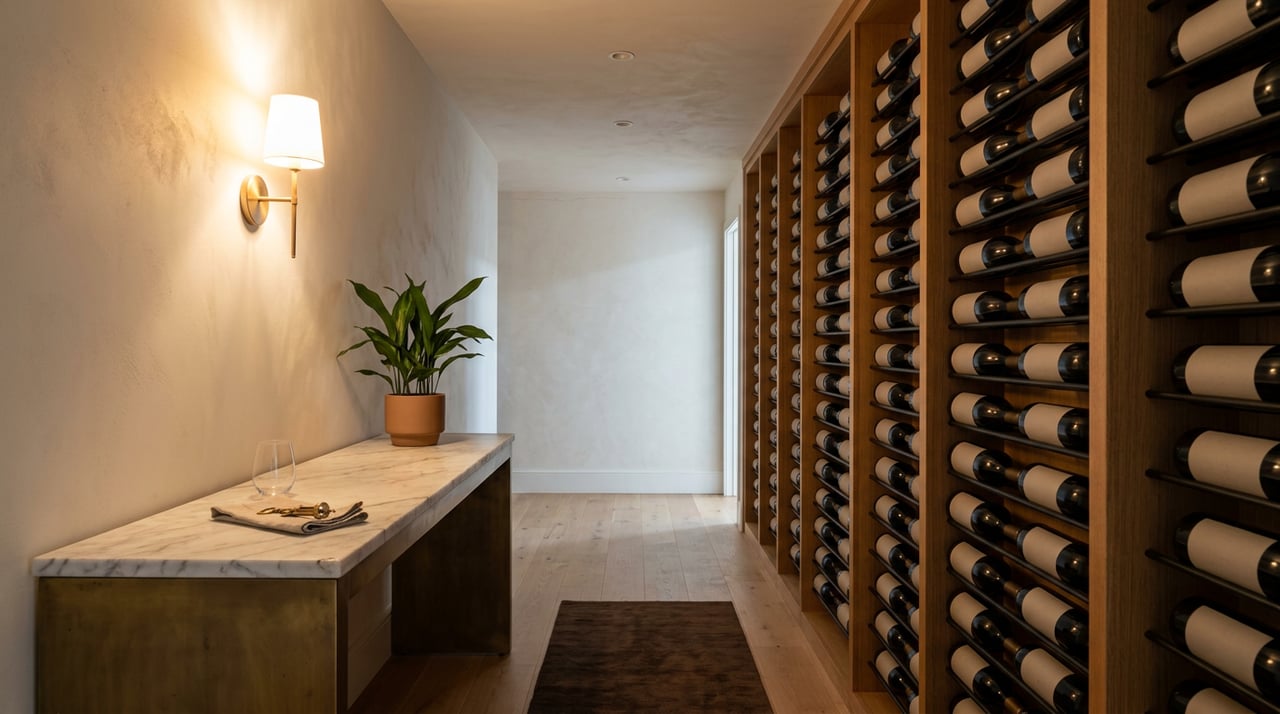
- ARLA, 15 E. Oak Street, sixth floor. The rooftop restaurant opened June 18, combining Mediterranean and Japanese flavors with views of Lake Michigan and the city skyline. It takes over the top floor at 15 East Oak Street, the space that once held Barneys New York's Fred's, spanning 8,500 square feet with room for 230 indoors and two open-air terraces adding 60 seats overlooking Lake Michigan and Oak and Rush streets. Chef and partner Soo Ahn leads the kitchen. Guests enter through a wine cellar before the room opens into the main dining space. The operating team is the group behind Adalina Italian on State Parkway and Adalina Prime in Fulton Market, now working under a new collective called Hospitality Included, a new Chicago restaurant group.
- SKIMS flagship, Rush and Oak. Kim Kardashian's clothing brand unveiled a two-level flagship at the corner of Rush and Oak, carrying women's and men's product plus seasonal releases, in a former 1960s bank redesigned by Rafael de Cárdenas, Ltd., the studio behind the Kenzo boutique in Seoul and the Baccarat flagship in New York.
- The shopping spine that surrounds them. The block already carries Akris, Bottega Veneta, Buccellati, Chanel, Christian Louboutin, Graff, Hermès, Harry Winston, Loewe, Loro Piana, Moncler, Prada, Tom Ford, and Van Cleef and Arpels between Michigan and State. Nearby on Rush Street, Celine, Christian Dior, and Versace fill in, with Yves Saint Laurent tucked inside the Waldorf Astoria on Walton.
- The dining pattern before this summer. The familiar rotation ran Brass Tack and Bernard's at the Waldorf, Marisol at the Museum of Contemporary Art, Tavern on Rush, Le Colonial, and Hugo's Frog Bar. Every one of those is a ground-floor room. ARLA is the first serious rooftop the block has had since Fred's closed.
The Thesis Underneath The Openings
The reason both anchors chose this corner in the same season is not coincidence. Oak Street has been a daytime street for a long time. The tree canopy, the narrow width, and the couture tenants that shut around evening cocktail hour made it a place you visited between other errands. What ARLA and SKIMS share is a decision to program the block after the shops close.
SKIMS pulls a younger demographic onto a corner that Chanel and Harry Winston do not, and it does so in a two-level box with visible activity from the sidewalk after dark. ARLA lifts that same demographic six floors up for a dinner and a terrace drink that used to require a taxi to River North or Fulton Market. LG Group and Offshoot Creative built the space, the same teams behind Maxwell's Trading, Pizzeria Portofino, and Rose Mary, with gold touches, wood, marble, and patterns setting the vibe. Read that tenant list against the interior teams the group hires and the intent is clear: ARLA is meant to be a destination that holds a table for two and a half hours, not a stop.
The result for a resident of the neighborhood is that the block you already know now works on a different clock. A Friday that used to end at Le Colonial or Tavern on Rush can start at ARLA at seven and end back on the sidewalk at eleven, still inside a six-minute walk of the front door.
Where This Slots Into A Weekend You Already Have
Take a normal Saturday in July or August. The Oak Street Beach is a block east, the MCA is three blocks south, the Waldorf is a block west on Walton. Nothing about those coordinates changed. What changed is the middle of the loop.
A working itinerary this summer looks something like: coffee and a walk on the lakefront path, a browse through Bottega Veneta or Loro Piana on Oak, a lunch at Marisol inside the MCA, an afternoon stop into the SKIMS flagship for something you did not plan to buy, dinner on the ARLA terrace watching the sun drop behind the skyline west of Rush. The whole day sits inside a quarter-mile square. That has never quite been true before. The block used to hand you off to somewhere else at the natural transition points. Now it does not.
The other calendar event worth marking is the third weekend of August. The Chicago Air and Water Show returns to the lakefront August 15 and 16, 2026, with military and civilian aerial demonstrations and water-based performances against Lake Michigan, drawing millions of visitors, with viewing across Lincoln Park, Old Town, and Gold Coast. ARLA's east-facing terrace looks straight down Oak Street toward the lake, which will make reservations that Saturday harder to book than the beach itself. If you live within walking distance, plan the weekend of August 8 or 22 instead if you want the room without the crowd.
What This Says About The Block, Longer Term
Two data points do not make a trend, but the tenant mix around them does. Akris and Loewe are recent additions to Oak Street, both landing inside the last couple of years. SKIMS is the second high-visibility fashion arrival in that same window. ARLA is the first restaurant of scale to take an upper-floor space on the block since Fred's closed. The pattern is a corridor that used to define itself by heritage couture now adding contemporary brands and evening programming on top of the existing base.
For a resident, that means the walking radius from a Gold Coast address is getting denser without getting louder. The block is not turning into River North. The tree canopy, the low foot traffic relative to Michigan Avenue, and the tenant standards on Oak Street will not allow it. What is happening is smaller and more useful: the reasons to leave the neighborhood for a specific evening plan are shrinking. Dinner with a view, a browse that runs past six, a corner that stays lit after the retail shutters drop. Those are the changes that show up on your Saturday before they show up on any map.
If you own on Astor, Dearborn, State Parkway, or one of the Lake Shore Drive addresses that back onto this walk, the practical effect is that the surface area of your neighborhood expanded this summer without adding a single new address. That is worth noticing.
When you are ready to talk about what your specific block does with buyers in this market, or how a Gold Coast address is reading against Lincoln Park and Streeterville this cycle, Millie Rosenbloom knows this corridor at the building level. Start with a free home valuation and a straight conversation about what your property is worth in the market that is actually in front of you.